Source Universal Car Led Headlight Bulb for VW, BMW, and Repair
Source 30 universal car led headlight bulb options from verified suppliers. Compare specifications like wattage, lumens, and certifications for Volkswagen, BMW, and universal vehicle applications to find the right fit for replacement or repair needs.
Key considerations
Products List


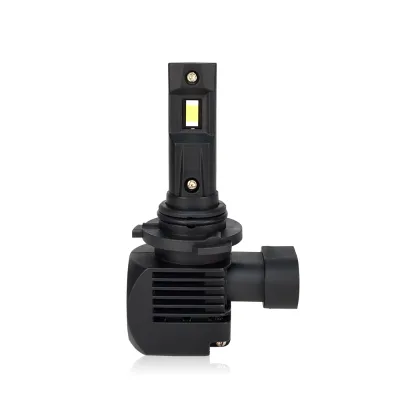


$5.00 - $50.00
Moq: 100
Comprehensive Sourcing Guide
Strategic Sourcing Guide for Universal Car LED Headlight Bulbs
Understanding Technical Specifications and Performance Metrics
When sourcing universal car LED headlight bulbs, the primary objective is to align technical specifications with the specific electrical and optical requirements of the target vehicle fleet. The market offers a diverse array of products, but the "universal" designation often masks significant variations in internal architecture and output capabilities. Buyers must scrutinize the LED chip type, as this component dictates the light quality and heat dissipation efficiency. In the current supply landscape, chips such as the CSP 3570, CSP 6040, and CSP 6575 are frequently cited as high-performance options. The CSP 6575, for instance, is associated with higher power outputs, often reaching 200W per pair, while the CSP 3570 is linked to lower wattage configurations around 35W per bulb.
The electrical compatibility of the bulb is another critical technical parameter. While many modern vehicles operate on a standard 12V system, the actual voltage tolerance of the LED driver varies. Some units are designed for a narrow 12V input, whereas others feature a wide operating range of 9-36V, making them more suitable for vehicles with fluctuating electrical systems or those intended for global markets where voltage standards may differ. Furthermore, the lumen output is a direct indicator of brightness. Specifications observed in the market range from 5,000 lumens for lower-power units to 20,000 lumens for high-performance models. However, higher lumen counts do not always equate to better visibility if the beam pattern is not engineered correctly.
The beam pattern is perhaps the most crucial optical specification for safety and compliance. A bulb with high lumens but an inaccurate beam pattern can blind oncoming traffic and fail regulatory inspections. The ideal product must demonstrate an "accurate" beam pattern that mimics the cutoff line of traditional halogen bulbs. Additionally, the base type must match the vehicle's socket. Common bases include P27W and P21W, and the sourcing strategy must ensure that the selected universal bulb fits the specific socket of the intended vehicle, whether it is a Volkswagen, BMW, or a universal fitment for other makes. The physical dimensions of the bulb, including the heatsink and driver housing, must also be verified against the available space within the vehicle's headlight housing to ensure a proper fit without obstruction.
Compliance and Certification Verification Protocols
Navigating the regulatory landscape for automotive lighting is essential for avoiding legal liabilities and ensuring market access. The most prominent certifications observed in the supply chain for LED headlight bulbs include E-mark and DOT (Department of Transportation). These certifications indicate that the product has undergone testing for safety, performance, and compliance with specific regional regulations. The E-mark is particularly vital for European markets, while DOT is the standard for the United States. Buyers must verify that the specific product listing carries these certifications, as the presence of a model number like M7 or GO-M8 does not automatically guarantee compliance.
Beyond regional certifications, environmental and safety standards play a significant role in supplier selection. While some background data suggests the presence of RoHS and CE certifications, these should be treated as secondary indicators unless explicitly confirmed in the product documentation. The primary focus must remain on the E-mark and DOT status. The product standard itself, often described in terms of physical dimensions like 16x21x6 cm or 35x25x30 cm, serves as a reference for packaging and shipping but does not replace the need for formal certification.
It is also important to distinguish between the certification of the bulb and the certification of the manufacturer. A product may claim to be E-marked, but the buyer must ensure that the specific batch being ordered has the necessary documentation. The "Universal" nature of the bulb does not exempt it from local regulations; in many jurisdictions, installing non-compliant lighting can void vehicle insurance or result in fines. Therefore, the procurement process must include a step where the supplier provides valid certification documents for the specific model number being purchased. This verification step is non-negotiable for B2B buyers who intend to resell these products or install them in commercial fleets.
Cost Drivers and Pricing Structure Analysis
The pricing of universal car LED headlight bulbs is influenced by a complex interplay of factors, including the LED chip quality, power output, and packaging standards. The observed price range in the market spans from $0.20 to $50.00 USD, a wide disparity that reflects the difference between low-end, generic components and high-performance, certified units. The lower end of this spectrum often corresponds to bulbs with basic chip technology, such as the 3570 chip, and lower lumen outputs. In contrast, the higher price points are typically associated with advanced CSP chips like the 6575, higher wattage ratings (e.g., 200W/Pair), and superior lumen outputs (up to 20,000lm).
Packaging also significantly impacts the final cost. Products listed with "Standard Packing" or specific dimensions like 16x21x6 cm may be priced differently than those offered in "Gift Box" packaging or larger crates measuring 58x34x24 cm. The latter often implies a more premium presentation suitable for retail distribution, which adds to the unit cost. Additionally, the inclusion of features such as built external drivers or specific resistance ratings (e.g., shock-resistant) can drive up the manufacturing cost and, consequently, the retail price.
The Minimum Order Quantity (MOQ) is another critical cost driver. The market shows an MOQ range of 1 to 100 units. Buyers purchasing small quantities may face higher per-unit costs, while those ordering closer to the 100-unit threshold may benefit from economies of scale. However, the MOQ is not the only variable; the origin of the product, such as Shenzhen, Guangdong, or general China origins, can influence logistics costs and tariffs. Buyers should calculate the total landed cost, including shipping and duties, rather than focusing solely on the FOB price. It is also important to note that while the price range is broad, the correlation between price and performance is not always linear. A higher price does not guarantee better quality if the supplier lacks proper certifications or uses inferior materials.
Typical Applications and Vehicle Compatibility
The application of universal car LED headlight bulbs extends across a wide spectrum of vehicle types, from passenger cars to commercial fleets. The "universal" label suggests compatibility with various makes and models, but practical application requires careful matching of the bulb's base and electrical specifications to the vehicle's requirements. The data indicates compatibility with specific brands such as Volkswagen and BMW, which often have distinct headlight housing designs and electrical systems. For these vehicles, the choice of base type (P27W or P21W) and voltage tolerance (12V vs. 9-36V) is critical to ensure proper function without causing electrical errors or flickering.
Beyond specific brands, the "Universal Car Model" designation implies that these bulbs are designed to fit a broad range of vehicles, including those where the original halogen bulbs have failed. The primary purpose of these bulbs is for replacement and repair, making them a staple in the automotive aftermarket. The condition of the product is typically "New," and the function can range from high beam only to a combination of dipped headlight and high beam. This versatility allows buyers to stock a single SKU that can serve multiple vehicle needs, provided the base type matches.
However, the application is not without limitations. The physical size of the heatsink and driver must be considered, as some vehicles have tight headlight housings that cannot accommodate larger LED units. The waterproof rating, often cited as IP68, is a key feature for applications in harsh environments, ensuring that the bulbs can withstand rain, snow, and car washes. The shock-resistant attribute is also vital for vehicles operating on rough terrain or in commercial delivery scenarios. Buyers should verify that the specific model, such as GO-M8 or GO-MT12-2, meets the environmental demands of their intended application before placing large orders.
Supplier Evaluation and Origin Verification
Evaluating suppliers for LED headlight bulbs requires a focus on transparency, location, and the ability to provide consistent quality. The supply data points to origins in Shenzhen, Guangdong, and general China locations. Shenzhen is a known hub for electronics manufacturing, suggesting that suppliers based there may have better access to high-quality components and supply chains. However, the location alone is not a guarantee of quality; buyers must verify the supplier's track record and their ability to provide the specific certifications required.
When evaluating a supplier, buyers should look for clear communication regarding the product's origin and the specific model numbers. The presence of detailed specifications, such as the LED chip type (CSP 3570, 6040, 6575) and wattage (35W/Bulb, 75W/Pair, 160W/Pair), indicates a supplier that is knowledgeable about their products. Conversely, vague descriptions or missing technical data should raise red flags. The supplier should also be able to provide information on the production standard, which may be listed as specific dimensions like 35.00cm * 25.00cm * 30.00cm for packaging.
It is crucial to avoid suppliers who make unverified claims about certifications or performance. The supply data includes low-confidence background information regarding RoHS and CE, which should not be relied upon without explicit confirmation. Buyers should request documentation for E-mark and DOT certifications directly from the supplier. Additionally, the supplier's ability to handle customization requests is a valuable asset. The data confirms that customization is available, which can be beneficial for buyers looking to brand the packaging or modify the product specifications for specific markets. However, buyers must ensure that any customization does not compromise the product's compliance or performance.
Quality Control and Long-Term Procurement Considerations
Implementing a robust quality control (QC) process is essential for mitigating the risks associated with sourcing LED headlight bulbs. Given the wide range of products available, from basic 5,000-lumen units to high-output 20,000-lumen models, the quality can vary significantly. Buyers should establish clear QC criteria that include checks for the LED chip integrity, driver stability, and waterproofing capabilities. The IP68 rating and shock-resistant attributes should be verified through testing, especially for bulk orders.
Long-term procurement considerations involve building a relationship with a supplier who can maintain consistent quality over time. This includes ensuring that the product specifications remain stable across different production batches. For instance, if a buyer orders a model with a CSP 6575 chip and 200W output, they must ensure that subsequent orders match these specifications exactly. Variations in the lumen output or voltage tolerance can lead to customer dissatisfaction and returns.
Buyers should also consider the lifecycle of the product. LED bulbs are designed for long-term use, but the driver and heatsink are often the weak points. A supplier that offers a warranty or has a track record of low failure rates is preferable. The "New" condition of the product is a standard expectation, but buyers should also verify the packaging integrity to prevent damage during transit. The standard packing or gift box options should be evaluated based on the destination market's requirements. Finally, buyers should plan for the scalability of their orders. The MOQ range of 1 to 100 allows for flexibility, but buyers should aim to increase order volumes to secure better pricing and ensure supply chain stability. By focusing on these long-term factors, buyers can build a reliable sourcing strategy that minimizes risk and maximizes value.
FAQs
Which certifications do universal car led headlight bulbs typically have?
These bulbs typically hold E-mark and DOT certifications for regulatory compliance. Buyers must verify specific model documentation to ensure the batch meets regional safety standards before purchase.
What voltage range do these LED headlight bulbs support?
Supported voltage ranges vary, with some models operating at 12V and others at 9-36V. Selecting the correct range ensures compatibility with vehicles that have fluctuating electrical systems.
Can I find universal car led headlight bulbs with high lumen output?
Yes, high-performance models offer outputs up to 20,000 lumens per pair. Higher lumen counts depend on the specific LED chip type and wattage rating of the chosen unit.
Which base types are available for these universal headlight bulbs?
Common base types include P27W and P21W to match various vehicle sockets. Ensuring the base matches the car make, such as Volkswagen or BMW, is critical for proper fitment.
How do I verify the waterproof rating of these LED bulbs?
Many models feature an IP68 waterproof rating to withstand harsh weather conditions. This rating ensures protection against dust and water immersion during normal vehicle operation.
What is the typical price range for universal car led headlight bulbs?
Prices generally range from 0.20 to 50.00 USD depending on specifications. Higher costs often correlate with advanced CSP chips, higher wattage, and premium packaging options.
Which LED chip types are used in high-performance headlight bulbs?
High-performance bulbs frequently utilize CSP 3570, CSP 6040, or CSP 6575 chips. The chip type directly influences brightness, heat dissipation, and overall power consumption of the unit.